The Complete RV Camping Essentials Packing List (First-Timer Edition)
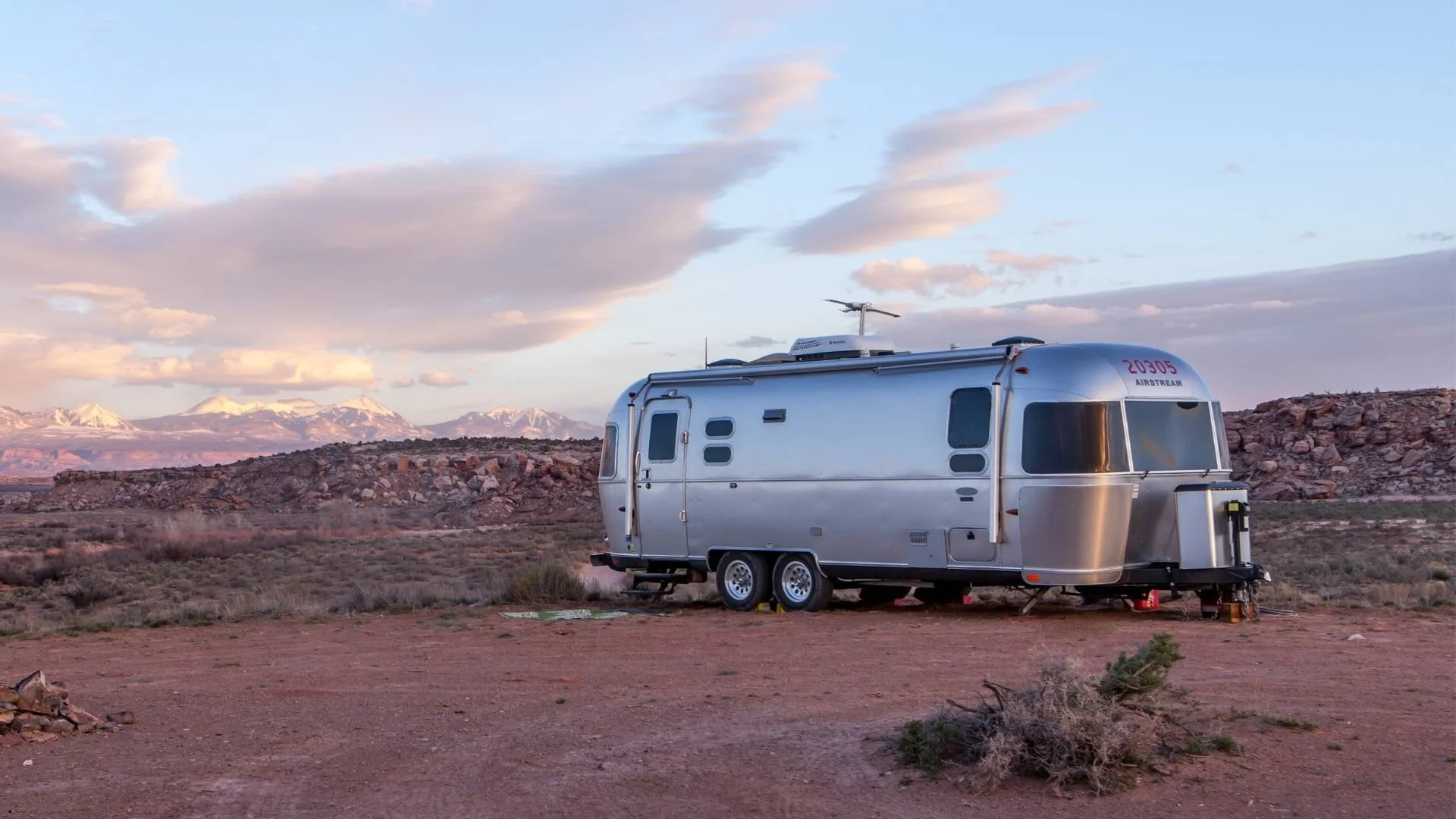
Most first-time travel trailer renters show up either drastically overpacked or missing one critical item — and it's almost always a sewer hose. Getting your RV camping essentials right before you leave the driveway sets the tone for the entire trip, so here's a straight-to-the-point packing list built specifically for renters hitting the road in a towable RV.
What Does a Travel Trailer Actually Come With?
Before you build your packing list, it's worth knowing what your rental may already include. Most travel trailers rented through RV rental platforms, like BookRVs.com, come equipped with a bed and mattress, kitchen appliances (stovetop, microwave, sometimes an oven), a bathroom with toilet and shower, and basic climate control. Beyond that, it varies by host — some include linens, cookware, outdoor gear, and hookup accessories; others (especially budget rentals) don't. Always confirm with your host at booking so you know exactly what's waiting for you when you arrive and what you need to bring yourself.
Hookup and Utility Essentials
This is the category that surprises first-timers most. A travel trailer needs several items just to connect to a campsite's utilities, and if you forget them (or if your hosts does not include them), your trip gets uncomfortable fast.
Fresh water hose — A dedicated drinking-water-safe hose (not a garden hose). Usually 25–50 feet.
Sewer hose and fittings — For emptying gray and black tanks. Many rentals include this; confirm before you leave.
Water pressure regulator — Protects the trailer's plumbing from high-pressure campground hookups.
Power adapter/dogbone — Campground outlets vary (30-amp vs 50-amp). A 30-amp to 15-amp adapter is useful as a backup.
Surge protector — Inexpensive insurance against bad electrical hookups at older campgrounds. Worth the $30–50.
Wheel chocks — Required at most campgrounds once you've unhitched. Rubber X-chocks run about $20–30.
Leveling blocks — Few campsites are perfectly flat. These keep your refrigerator and sleep situation happy.
If you're camping at a full-hookup site in Florida, Texas, or Colorado, most state and national parks have reliable water and electric — but don't assume the sewer connection is close enough without a long hose.
Bedroom and Bathroom Supplies
Your rental trailer has a bed frame and shower — and depending on the host, it may come with linens, towels, and toiletries already stocked. Some hosts include all of it; others keep it bare-bones. Confirm at booking so you're not caught off guard. If anything below isn't covered, it's easy enough to pack:
Sheets and pillowcases — If not included, bring the right size for the trailer's mattress (often a short queen — confirm when booking).
Towels — One set per person, minimum. A quick-dry option saves space if you're packing your own.
Toiletries — Everything you'd bring to a hotel, plus RV-specific septic-safe toilet paper. This one matters regardless — regular toilet paper can clog the black tank.
Blankets or a sleeping bag — Temperatures drop at night even in summer, especially at elevation.
Kitchen and Cooking Gear
A travel trailer kitchen has a stovetop and usually a microwave — and some hosts go further, stocking cookware, utensils, and even basic pantry staples. Others keep the kitchen empty. Confirm with your host before you pack, then fill any gaps from this list:
Pots and pans — A small nested camping set saves space if you're bringing your own
Plates, bowls, cups — Reusable or disposable
Silverware and a good chef's knife
Cutting board
A few basic spices, cooking oil, and dish soap
Paper towels and a sponge
Trash bags — Bring more than you think you'll need
A French press or small coffee maker — If you're picky about coffee and it's not already on board
A cast iron skillet is optional but earns its weight on a camping trip. It works on the stovetop, over a campfire, and doubles as a serving dish.
Outdoor and Campsite Gear
This is where the RV packing list diverges most from a hotel vacation. Your campsite is an extension of your living space, and most hosts don't supply outdoor gear — so this section is almost always on you.
Camp chairs — Two to four, depending on your group size
Portable table — Most campsites have a picnic table, but not all
Outdoor rug — Keeps dirt out of the trailer and makes the site feel like an actual living space
Headlamps and lanterns — One per person for headlamps; one camp lantern for the site
Bug spray and sunscreen — Non-negotiables, especially in the Southeast or Pacific Northwest in summer
Firestarter and lighter — If your campground allows fires; check local fire restrictions first via recreation.gov
Firewood — Buy it locally near the campground. Most states prohibit transporting firewood across county or state lines to prevent the spread of invasive insects (the USDA has more info on this)
If you're camping in Oregon or Alaska, toss in rain gear regardless of the forecast.
Safety and First Aid
A basic first aid kit and a few safety items are easy to forget and critical to have.
First aid kit — Bandages, antiseptic, ibuprofen, antihistamine
A multi-tool or Swiss army knife
A fire extinguisher — Many rentals include this; confirm with your host
Carbon monoxide and smoke detectors — Usually built into the trailer, but worth verifying before you leave
Emergency roadside kit — Jumper cables, reflective triangles, flashlight
Cell service backup — A Garmin inReach or similar satellite communicator is worth considering in remote areas without cell coverage
What to Leave at Home
Overpacking is one of the most common first-timer mistakes. A travel trailer has limited storage — especially overhead and under-bed — so ruthless editing matters.
Leave behind: bulky full-size kitchen appliances, extra shoes beyond two or three pairs per person, unnecessary gadgets, and anything you'd normally bring "just in case" but genuinely can't imagine a scenario for. The rental already handles shelter, climate, and plumbing — your job is filling in the personal and logistical gaps, and confirming with your host which ones are already covered.
Knowing your RV camping essentials before you load up makes a real difference between a smooth first trip and a stressful one. If you're still planning your rental, browse travel trailer listings on BookRVs.com to find rigs already loaded with the basics — and check out our guide on what to know before renting a toy hauler if you're hauling gear. A little prep goes a long way.