7 Things to Check Before You Rent a Toy Hauler
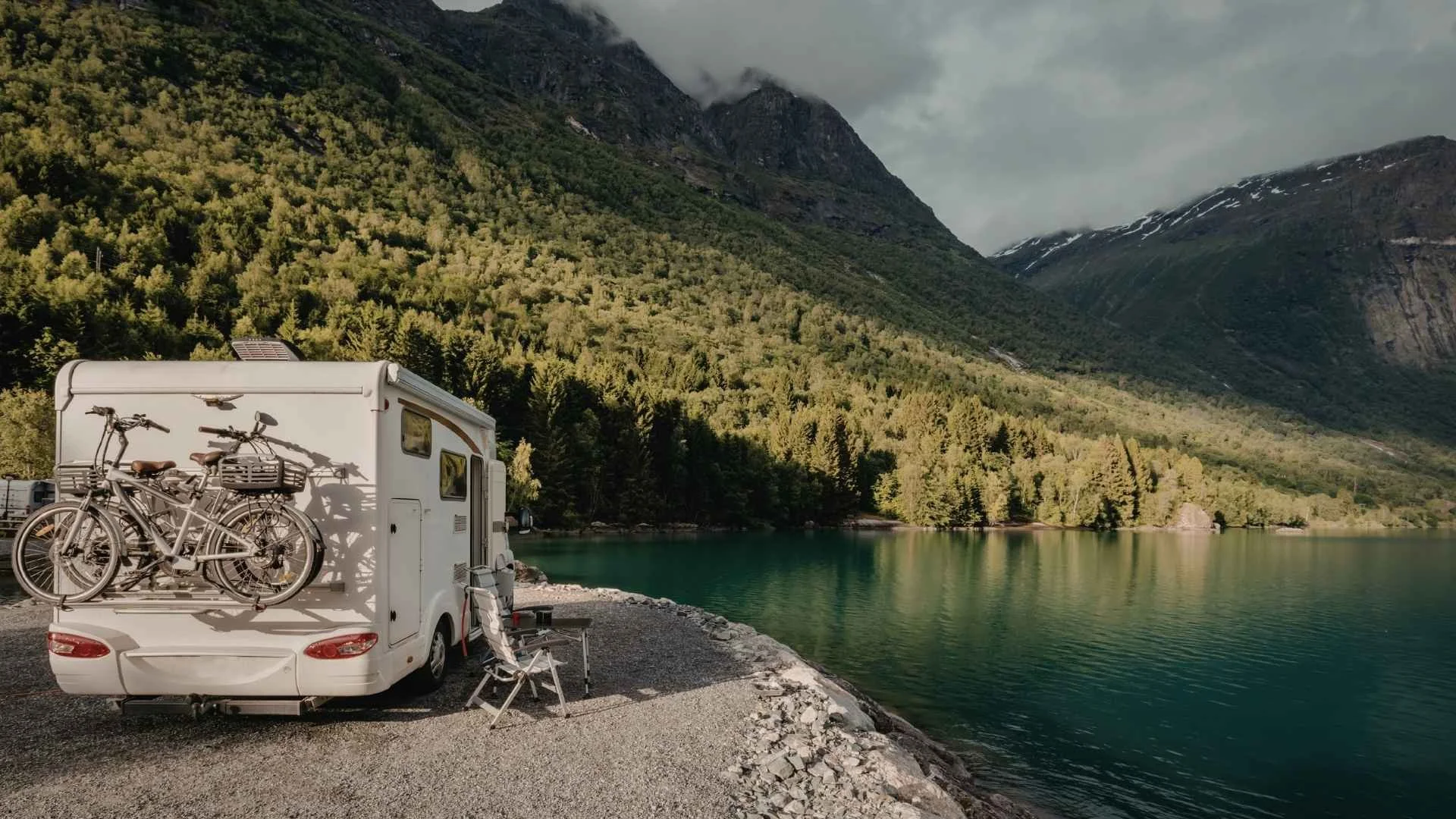
Renting a toy hauler is one of the smartest moves an adventure traveler can make — you bring your bikes, ATVs, dirt bikes, or kayaks and still sleep in a comfortable RV at the end of the day. But toy haulers come with a few unique quirks that catch first-time renters off guard, and knowing them in advance will save you money, stress, and at least one awkward campsite conversation.
What Exactly Is a Toy Hauler?
A toy hauler is a travel trailer or fifth wheel with a rear ramp door that opens into a dedicated cargo garage. That garage is the whole point — it's where you load your "toys," whether that means a pair of dirt bikes, a side-by-side UTV, a couple of fat-tire e-bikes, or a canoe strapped lengthwise. Most toy hauler RVs in the rental market run between 28 and 40 feet, and the garage section typically occupies 8 to 12 feet of that length.
The garage isn't wasted space when you're not hauling gear. Many models convert it into sleeping quarters using fold-down bunks or a murphy-style bed, which makes toy hauler rentals popular with groups who need extra sleeping capacity as much as they need the cargo room.
Tow Vehicle Requirements Are Non-Negotiable
Before you book a toy hauler rental, you need to confirm your tow vehicle can actually handle the weight. This is the most common mistake first-timers make, and it can be genuinely dangerous.
Most rental toy haulers weigh between 8,000 and 14,000 lbs gross vehicle weight rating (GVWR), with the heavier models — especially those with a large garage and full gear load — pushing toward the top of that range. You'll need a three-quarter-ton or one-ton truck (think Ford F-250, Ram 2500, Chevy Silverado 2500) with a weight distribution hitch and sway control for most rentals in this size class. A half-ton truck may be rated for some lighter toy haulers, but it's marginal at best and a liability if you're also loading heavy gear. Check the rental listing's stated GVWR, then verify your truck's tow rating in the owner's manual — not the internet, not memory.
How Much Does It Cost to Rent a Toy Hauler?
Toy hauler rental cost typically runs $150 to $350 per night depending on size, amenities, and season. Smaller models — say, a 28-footer with a modest garage — sit at the lower end of that range. Larger luxury toy haulers with full kitchen and bath, air conditioning, and generator can push $300 or more per night, especially in peak summer months or near popular off-road destinations in Colorado, Utah, or Texas.
Factor in mileage fees (typically $0.25 to $0.50 per mile over a set allotment), generator hours if the rental charges for fuel usage, and any gear-hauling surcharges some owners include when heavy equipment is involved. Insurance is usually offered through the rental platform at $30 to $50 per day.
The Garage: Sizing Your Gear Correctly
The garage floor length and width are the specs that actually matter, not the overall trailer length. A 36-foot toy hauler might have an 8-foot garage or a 12-foot garage depending on the layout — always check the listing. Standard garage widths run 8 to 8.5 feet inside, which fits a single side-by-side or two motorcycles side by side but gets tight with a full-size ATV plus accessories.
Weight capacity matters just as much as floor space. Most toy hauler garages are rated for 1,500 to 2,500 lbs of cargo. Loading two dirt bikes plus fuel, tools, and riding gear adds up faster than you'd expect. Ask the owner for the garage weight rating before you load up — exceeding it damages the trailer and voids insurance coverage.
Ramp angle is worth a mention too. Steep ramp angles make loading low-clearance vehicles tricky. If you're hauling a sport ATV or a low-slung side-by-side, ask the owner about the ramp pitch before you drive three hours to find out the hard way.
Campsite Considerations for Toy Haulers
Toy haulers need more campsite space than a standard travel trailer, and not every campground is equipped for them. A 36-foot trailer plus a full-size truck puts you at 60-plus feet of combined length. Sites at developed campgrounds in national parks — like those managed through Recreation.gov — are often limited to 40 or 50 feet total, which rules out many toy hauler setups entirely.
Off-road parks, state OHV areas, and dispersed camping on Bureau of Land Management land are where toy haulers genuinely shine. Destinations like Sand Hollow in Utah, Glamis in California, and the Hatfield-McCoy trail system in West Virginia are built around this kind of camping. Sites are typically spacious and often have utility hookups designed for larger rigs. The Recreation Vehicle Industry Association publishes campground resources that include OHV-friendly sites if you're planning a region-specific trip.
What to Inspect at Pickup
When you pick up the rental, walk the ramp door and the garage floor carefully. Check hinges and hydraulic or cable-assist mechanisms on the ramp — if something is stiff, binding, or cracked, document it before you leave. Check the tie-down rings inside the garage for secure mounting; a loose tie-down under load is a serious problem.
Inside the main living area, confirm the generator starts and runs, that the propane system works, and that slideouts (if any) extend and retract smoothly. Take time-stamped photos of the entire unit before departure.
Is Renting a Toy Hauler Worth It?
If you're hauling motorized or oversized gear on a multi-day trip, a toy hauler rental is almost always more practical than towing a separate utility trailer and renting a conventional RV. You get consolidated logistics, better fuel efficiency than running two trailers, and a camping setup purpose-built for the kind of trip you're actually taking.
If you're not hauling gear, a standard travel trailer rental will serve you better — toy haulers sacrifice living space in exchange for that garage, so you're paying for floor area you won't use.
Renting a toy hauler can take a bit more upfront research than booking a standard vacation trailer, but the payoff — pulling into camp with all your gear secured and a real bed waiting — is hard to beat. Browse toy hauler and travel trailer rentals on BookRVs.com to compare options, check garage specs, and find the right rig for your next adventure. And if you're deciding between a toy hauler and other trailer styles, our breakdown of travel trailer vs fifth wheel is a good next read.