
Teardrop Trailer Rentals
Rent a teardrop trailer from local hosts near you. Light enough to tow with most SUVs and many cars, with a cozy sleeping cabin and a pop-open galley kitchen out back.
Teardrop trailers near you
235+ teardrop trailer rentals nationwide · nightly prices before fees
Closest to first ·

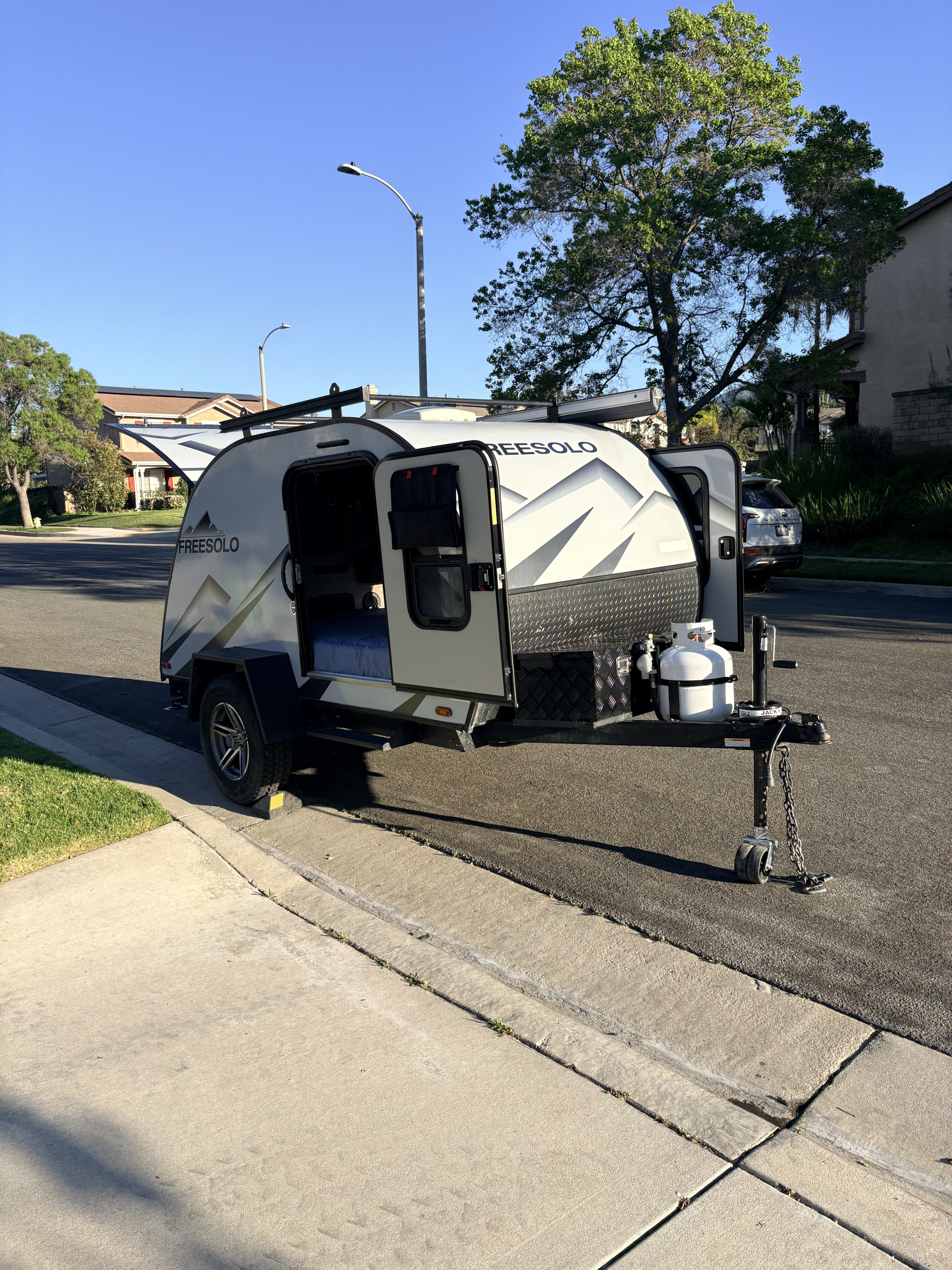
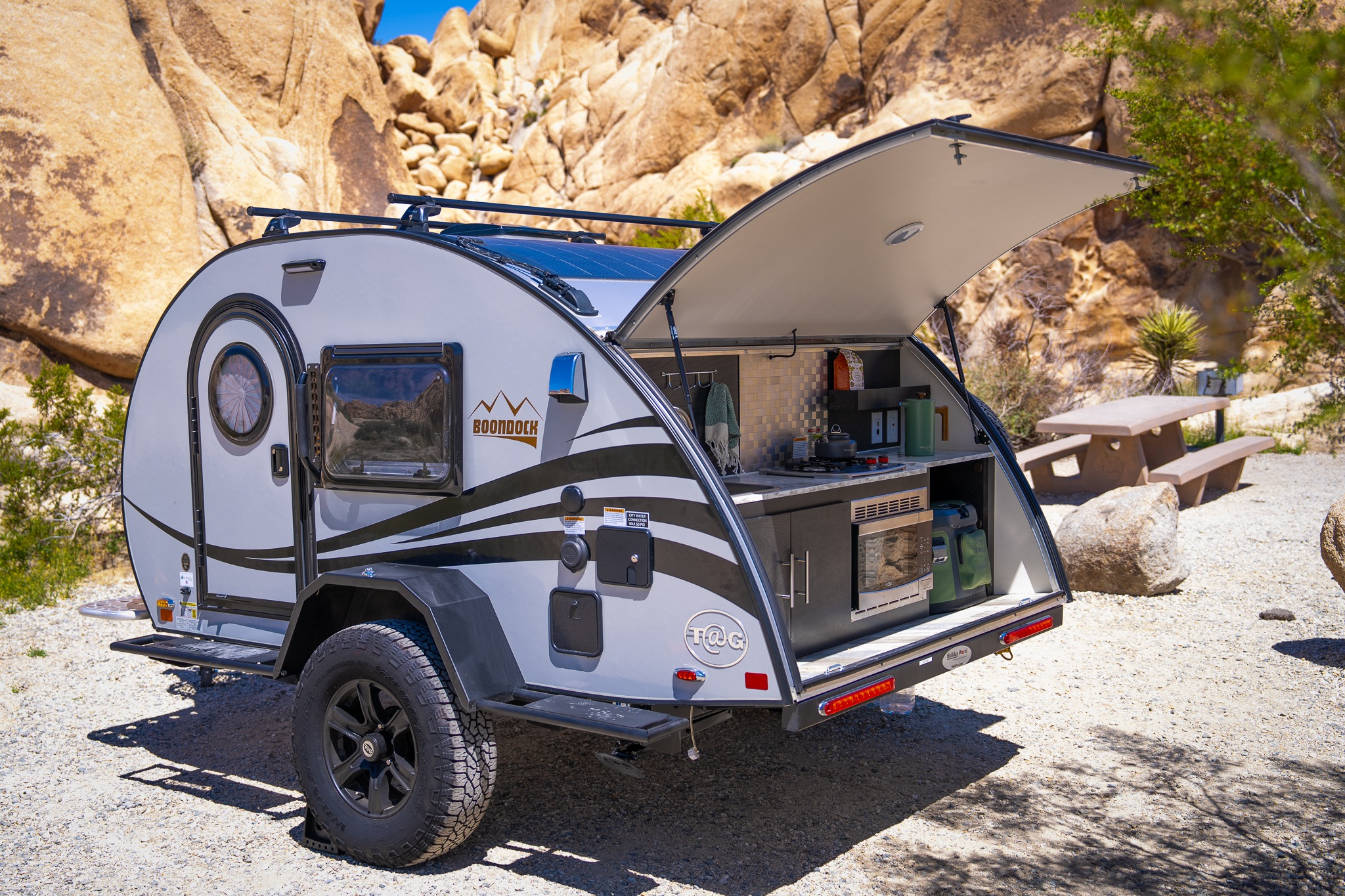

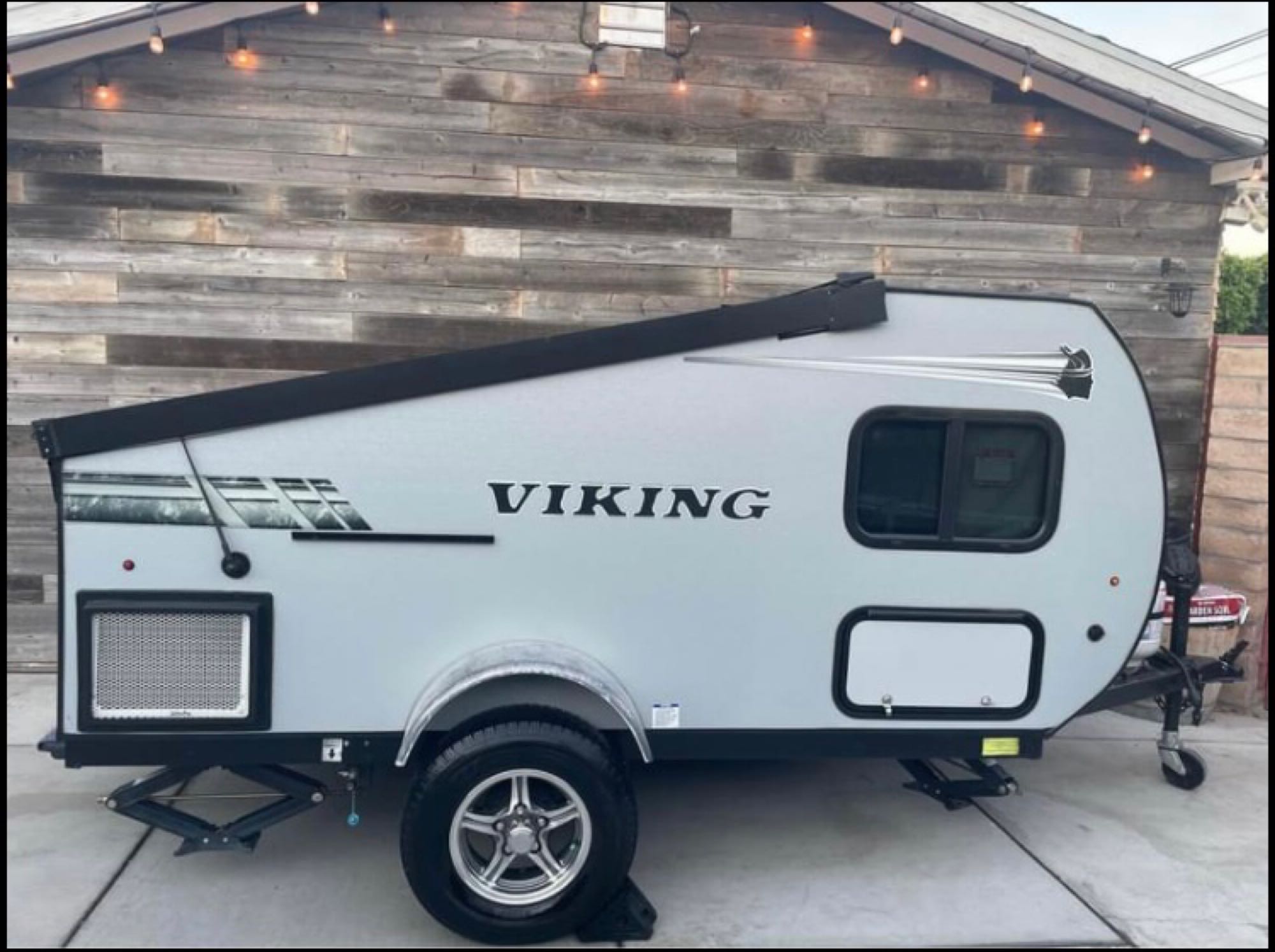
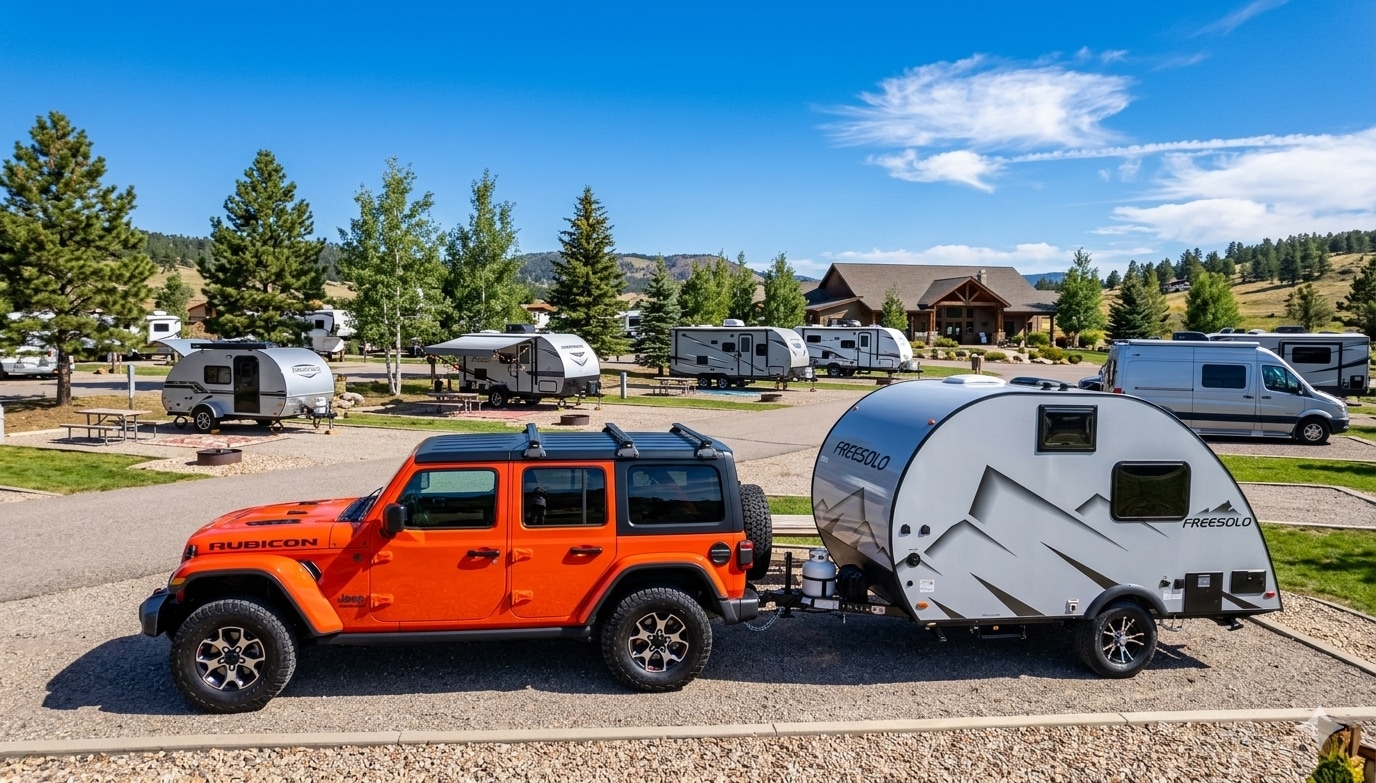
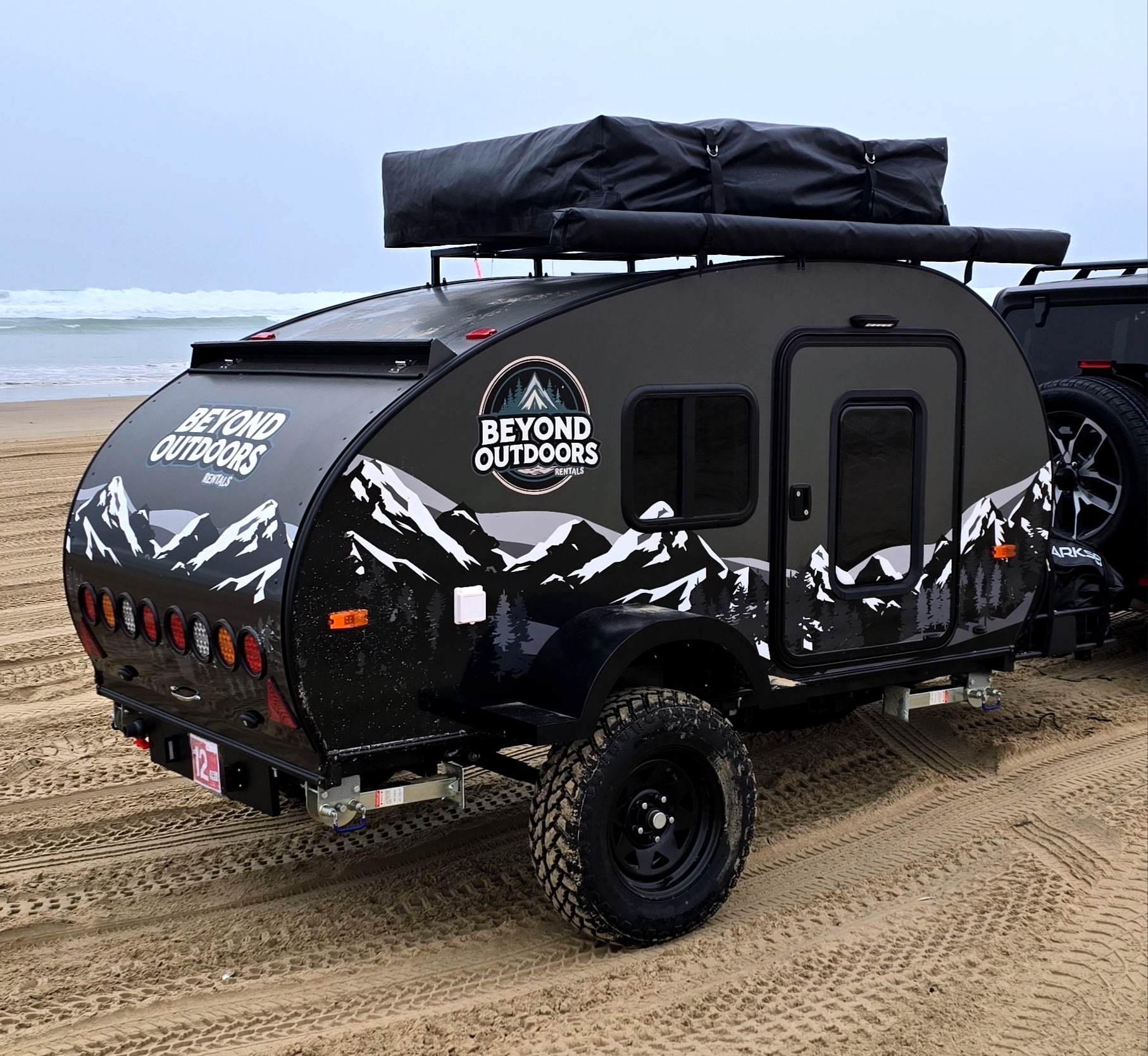
Prices are nightly, before fees. Listings are hosted on Outdoorsy. BookRVs may earn a commission when you book through these links, at no extra cost to you.
Market snapshot · October 2026
Teardrop trailer rental market at a glance
What renters can expect from teardrop trailer rentals nationwide right now
235+
Teardrop trailer rentals nationwide
$105/night
Median nightly rate
67%
Hosts who deliver
4.96★
Avg guest rating
Nightly rates for teardrop trailer rentals nationwide run from $55 to $150, with a typical weekly rental around $614.
Teardrop trailer rentals sleep 2 people on average, with the largest sleeping up to 6.
67% of hosts offer delivery, so you can have your rental trailer delivered and set up right at your campsite.
Market data fresh as of October 2026, based on 235 active teardrop trailer listings on Outdoorsy.
Teardrop Trailer Rental: A Real Bed and an Outdoor Kitchen in a Camper You Can Actually Tow
Teardrops first caught on in the 1930s, and after World War II backyard builders made them from magazine plans and surplus aircraft aluminum. The formula has barely changed: a real mattress, a locking door and a galley kitchen under the rear hatch, all light enough for many midsize SUVs to pull. A teardrop trailer rental suits couples and solo travelers who spend their days outside and want a dry, comfortable bed at night. The listings above are sorted nearest to you, so here’s what to know before you message a host.
What Sets a Teardrop Camper Apart, and Who It Suits
A teardrop is built around one idea: the cabin is mostly bed. You climb in through a side door to a mattress, a few cabinets and usually a window or two. The cooking happens outside under the rear hatch, where a galley holds counter space, storage and, depending on the model, a stove, sink or cooler.
That layout suits couples, solo travelers and anyone who plans to spend daylight hours hiking, paddling or sitting around a fire. Rentals in this category typically sleep 2. A few larger listings sleep as many as 6, so check the sleeping arrangements on any listing you like.
It’s a harder fit when the forecast calls for a week of rain, or when your group needs an indoor bathroom and room to stand up.
Teardrop Trailer vs. a Standard Travel Trailer
- Towing: A teardrop is far lighter and shorter, so it’s easier to back into a site and can often be pulled by a midsize SUV or crossover. A full-size travel trailer usually calls for a truck or large SUV.
- Space: A travel trailer gives you standing room, a dinette and often a bathroom. A teardrop gives you a bed and an outdoor kitchen.
- Campsites: The small footprint slips into tight, wooded sites and older campground loops that can’t fit longer rigs.
- Setup: Fewer systems means less to learn. Most teardrops are ready to use within minutes of unhitching.
If you want something in between, pop-up camper rentals offer more sleeping space at a light towing weight. Airstream rentals go the other direction, with a full interior and, on most models, a kitchen and bathroom inside.
Related Article: Renting a Teardrop Trailer Is Easier Than You Think. Here’s How.
Layouts, Sizes and Common Teardrop Models
Most teardrops share the classic rounded profile, but cabin sizes vary. Common footprints are roughly 4 by 8, 5 by 8 and 5 by 10 feet. The narrower cabins fit a snug mattress for two, while 5-foot-wide cabins often take a queen. Interior height is low on most, so expect to sit up in bed rather than stand.
A handful of model names come up again and again. The nuCamp TAG is a common sight. The Vistabule is known for its big front windows and a bed that converts to seating. Some larger teardrop-style designs, such as certain T@B floor plans, are tall enough to stand in and add a small wet bath.
If your plans involve washboard forest roads, look for an off-road teardrop camper rental. These usually ride higher on heavier-duty suspension and tires. Ask the host where the trailer has actually been and which roads they’re comfortable with.
Features worth comparing across listings:
- Power: battery and solar, a shore-power hookup, or both
- Climate: a roof vent fan, plus a heater or air conditioning on some units
- Galley: a built-in stove or a portable one, a water tank, and a cooler or small fridge
- Extras: awnings, side tents, camp chairs and bedding, included on some listings and not on others
What It Takes to Tow One, and When Delivery Makes Sense
Light weight is the main reason people choose this trailer type. Many teardrops come in well under 3,000 pounds loaded, which puts them within the tow rating of plenty of midsize SUVs, crossovers and pickups.
Before you book, confirm three things:
- Tow rating: Find it in your owner’s manual and compare it with the trailer’s weight, which the host can tell you. Leave a margin for gear and water.
- Hitch and ball: You need a receiver hitch and the right ball size for the trailer’s coupler. Ask the host which size it uses.
- Wiring: Your car needs a working trailer light connector that matches the plug. Some heavier units use electric brakes, which require a brake controller.
Towing It Yourself vs. Delivery
Towing gives you freedom: you can move camp, run into town or switch campgrounds midtrip. With delivery, the host brings the trailer to your campsite, sets it up and hauls it home afterward, so you don’t need a hitch at all.
Right now 67% of hosts offer delivery, so most give you the choice. Delivery makes the most sense for a single-campground stay, a first trip, or a car that isn’t rated to tow.
How Much It Costs to Rent a Teardrop Trailer, Plus Booking Tips
Across current listings, the median nightly rate is $105. Typical rates run from $55 to $150 a night, depending on size, features, location and season. For longer stays, the median weekly rate is $614.
Delivery fees, cleaning fees and add-ons are set by each host. Read the full listing and compare total trip costs, not just the nightly figure.
A few tips before you commit:
- Check what’s included. Bedding, cookware, chairs and propane come with some rentals and not others.
- Read the policies. Pet and cancellation policies vary by listing, so read them on each one you’re considering.
- Message the host first. Ask about towing, setup or road conditions before booking. Hosts here are well reviewed, with an average guest rating of 4.96 out of 5.
- Ask about stationary coverage. If the trailer will be delivered and stay parked at one site, ask the host whether stationary insurance options apply.
Related Article: What Travel Trailer Renters Get Wrong About RV Insurance
Best Trips for a Teardrop Camper
This little trailer shines where the scenery does the work and you want to be outdoors from breakfast to the last ember. Public lands are a natural match. National forests offer everything from developed campgrounds to quiet dispersed sites. Many Bureau of Land Management areas allow dispersed camping, though rules vary, so check with the local office. Campgrounds in national parks often have tight loops where a short trailer is easy to manage.
A few trips that suit a compact camper especially well:
- The Blue Ridge Parkway, with its winding miles through Virginia and North Carolina. Browse travel trailer rentals in North Carolina to start nearby.
- Great Smoky Mountains National Park, where a small rig makes mountain roads less stressful.
- Southern Utah’s red rock country around Zion and Capitol Reef. See travel trailer rentals in Utah.
- The Black Hills of South Dakota and the Oregon Coast, two classic summer loops.
Many teardrops are comfortable at basic sites without hookups thanks to batteries or solar. Power, water and site length still vary by campground, so confirm the details with the campground before you go.
Related Article: The 5 Best Places to Take a Teardrop Camper
Frequently Asked Questions About Teardrop Trailer Rentals
How much does it cost to rent a teardrop trailer?
The median nightly rate is $105, with typical rates between $55 and $150 a night. Weekly stays have a median of $614. Delivery and extras are set by each host, so compare total trip costs.
Is a teardrop better than a pop-up camper?
It depends on your group. A teardrop sets up faster and has hard walls, which helps in wind, rain and cold. A pop-up usually sleeps more people but takes longer to raise and lower. Couples tend to prefer teardrops, while families often lean toward pop-ups.
Can my SUV tow a teardrop, or should I get it delivered?
Many midsize SUVs can, but check your tow rating against the trailer’s weight and make sure you have a hitch and matching wiring. If you’d rather skip towing, 67% of hosts offer delivery to your campsite.
Is a teardrop a good choice for first-time renters?
Yes. It’s one of the easiest towables to learn. It’s short, light and simple to back up, and there are few onboard systems to figure out. Ask the host for a walkthrough of the galley and power setup at pickup.
How do I find a teardrop trailer rental near me?
The listings at the top of this page are already sorted by distance from you. There are 235+ rentals listed, and you can narrow them by location, dates and trailer type.
Your next campsite might only need a bed, a galley and a good view. Scroll back up to the teardrop listings on BookRVs.com, find one close to home, and message the host with any questions before you lock in your dates.


