
Pop Up Camper Rentals
Rent a pop-up camper from local hosts near you. Lightweight, easy to tow, and sleeps a family.
Pop-up campers near you
193+ pop-up camper rentals nationwide · nightly prices before fees
Closest to first ·
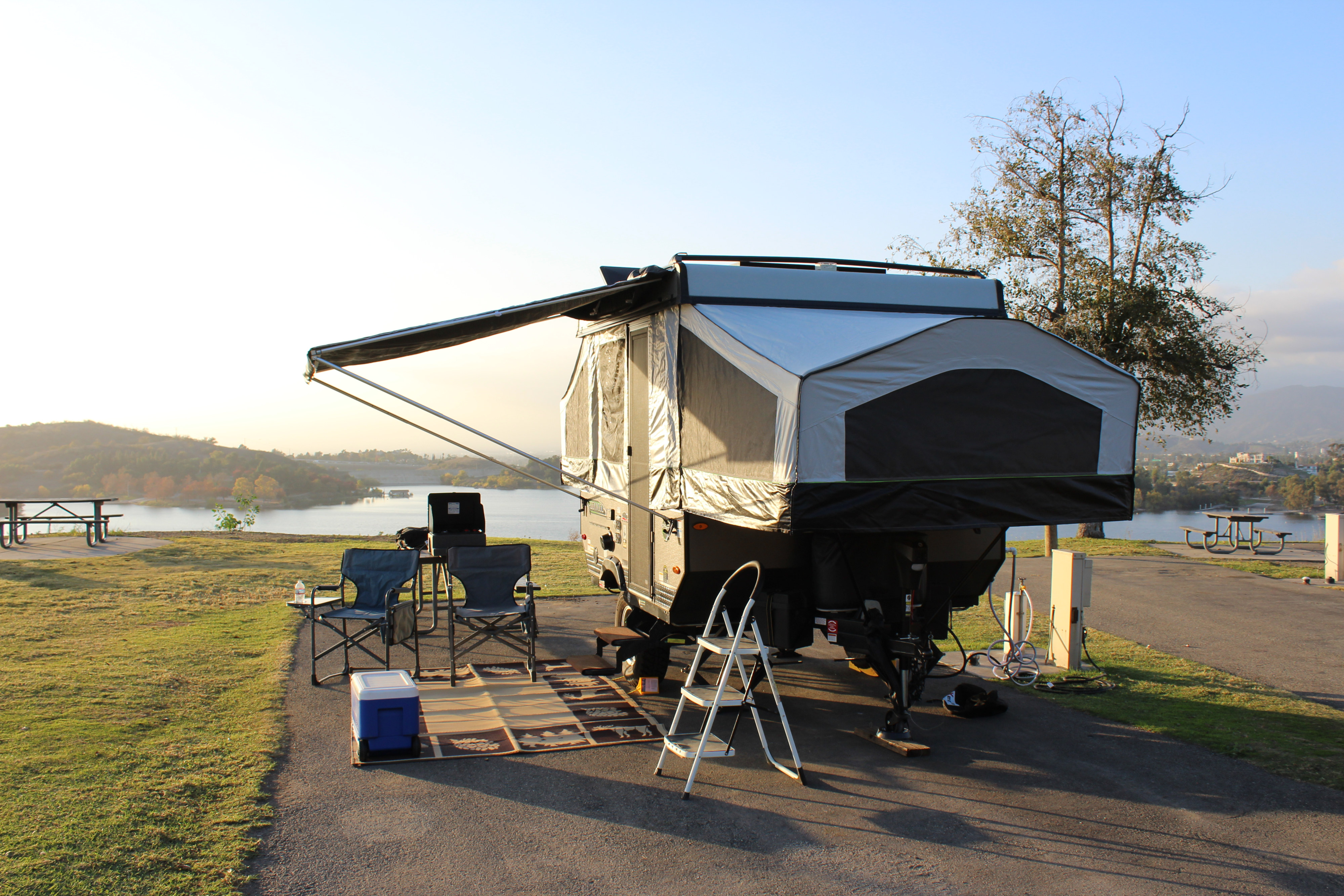
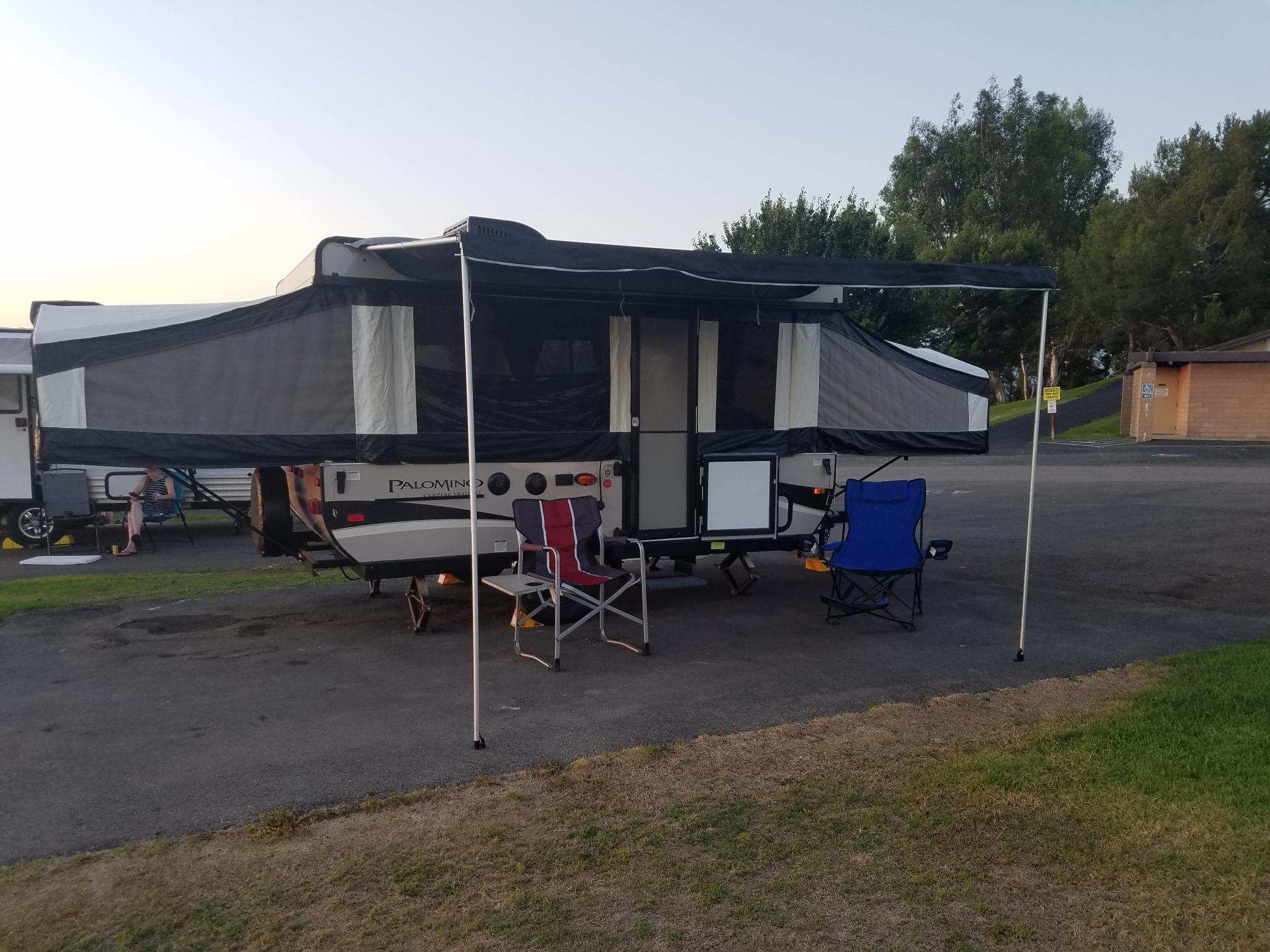
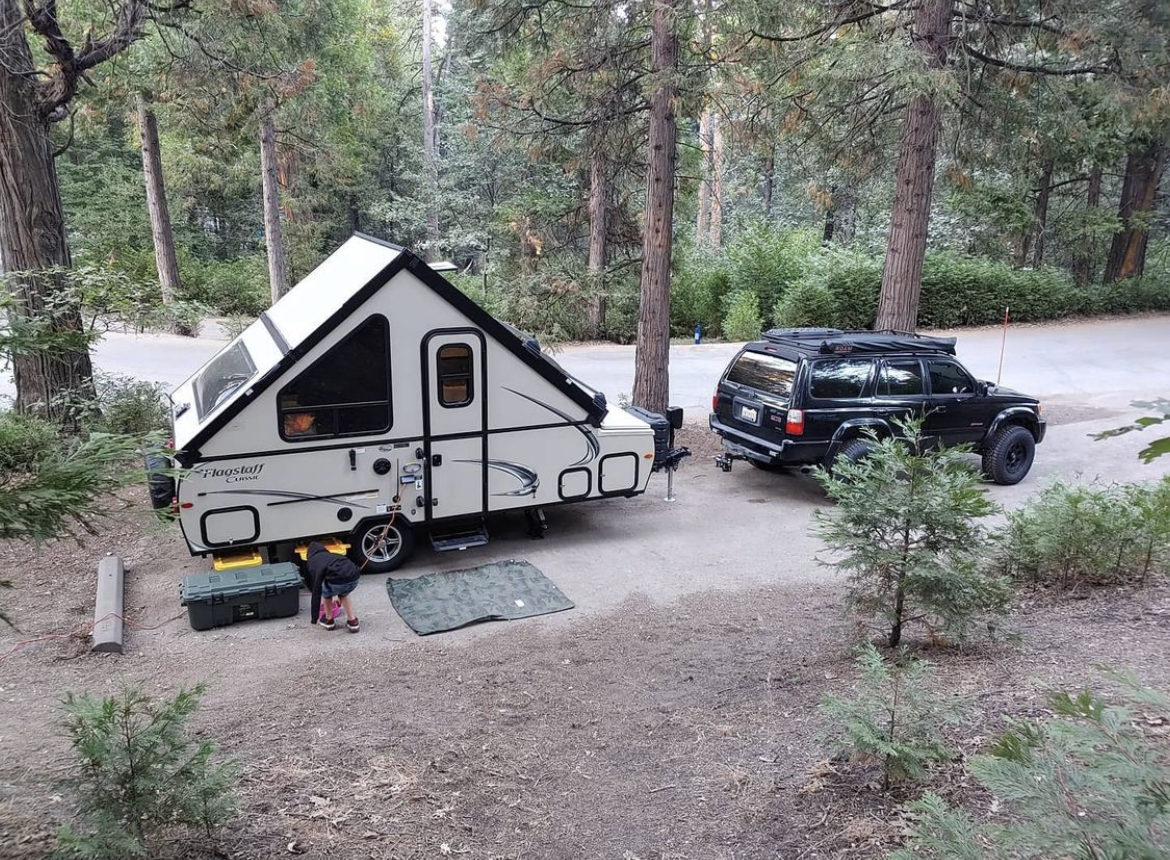
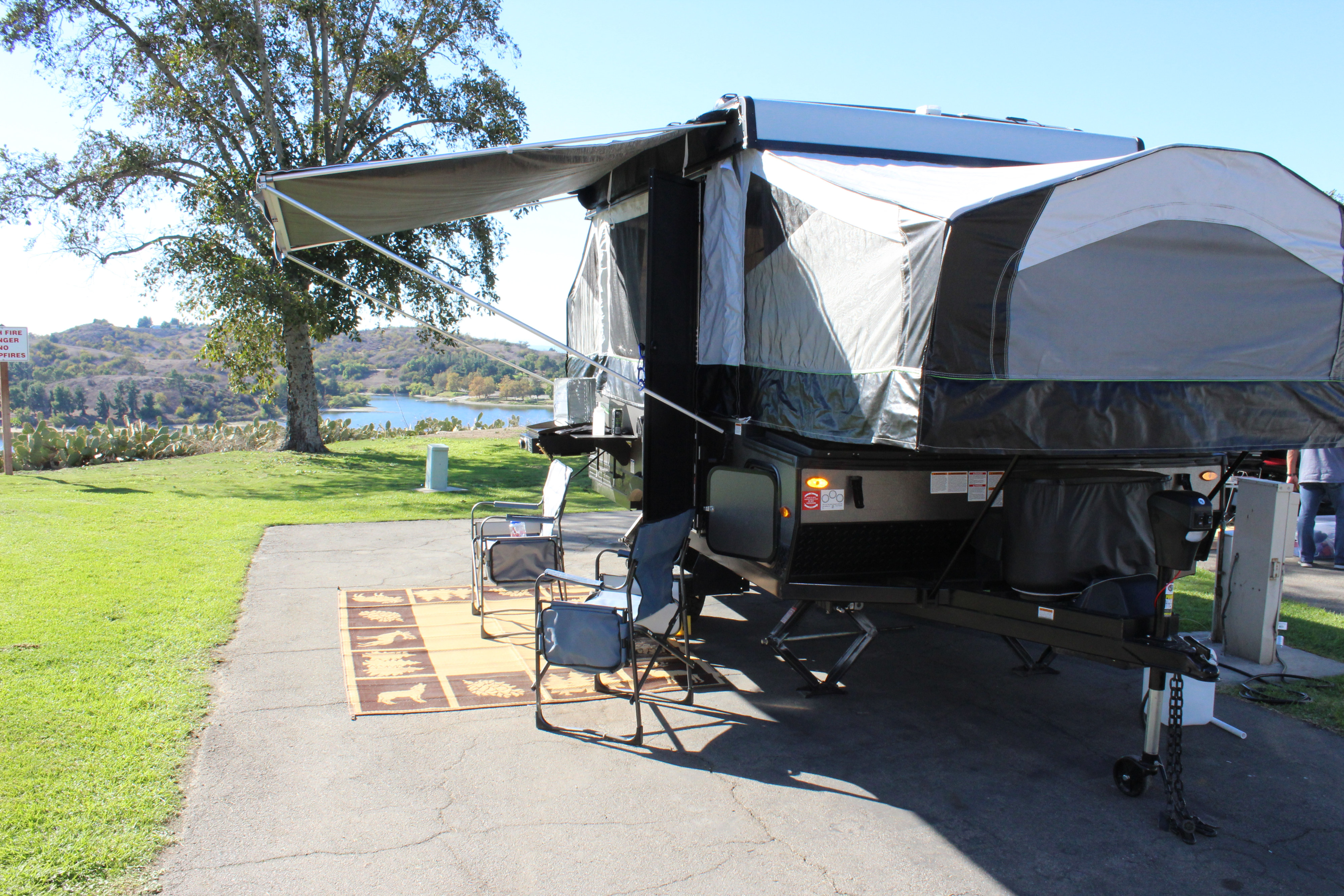
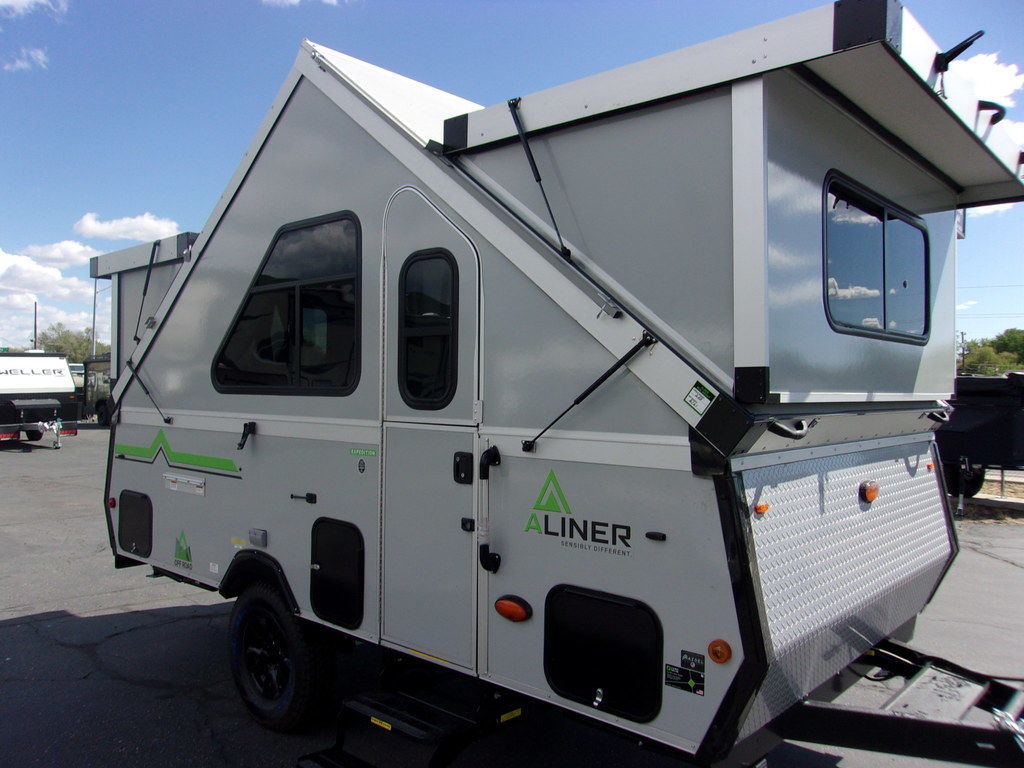
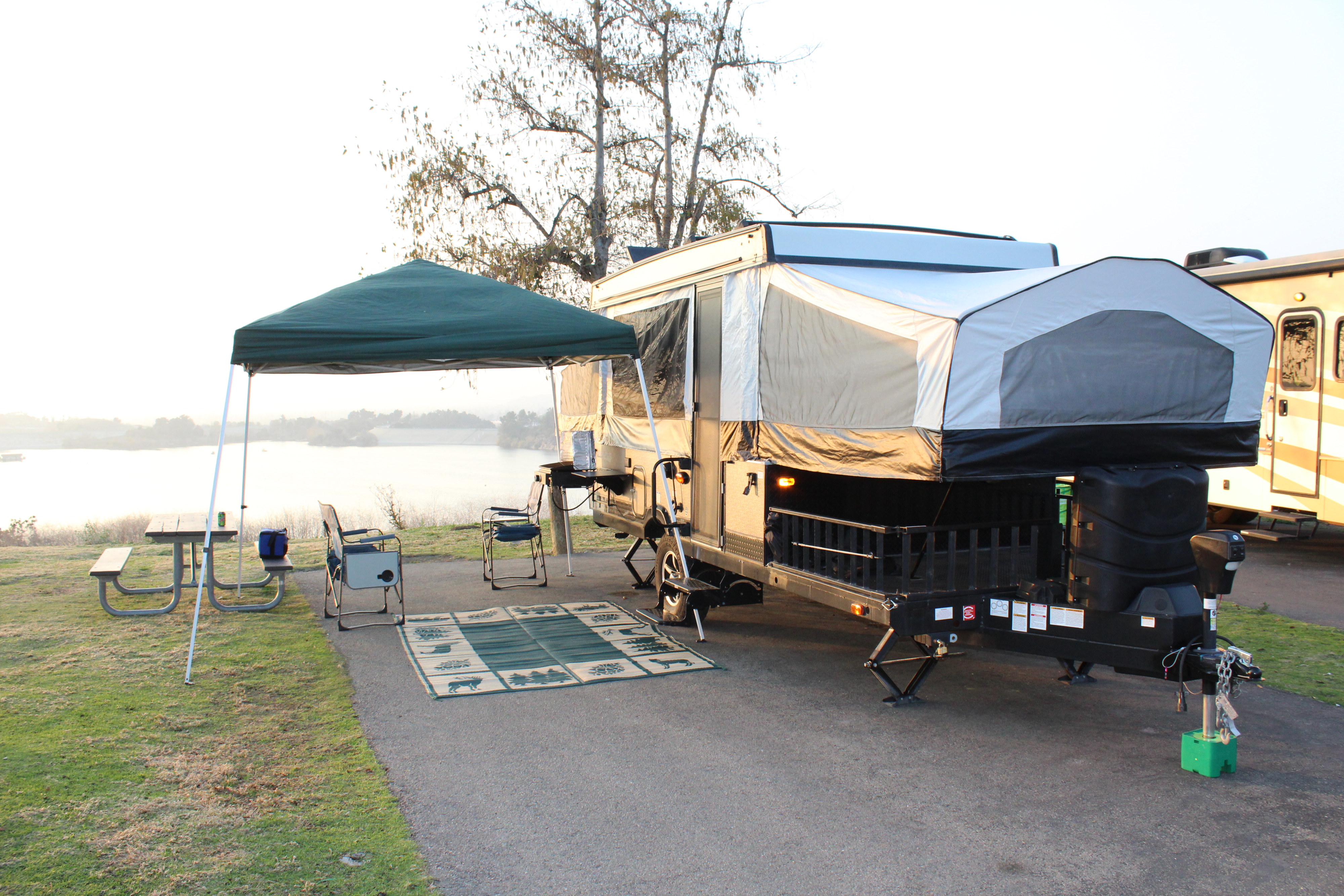
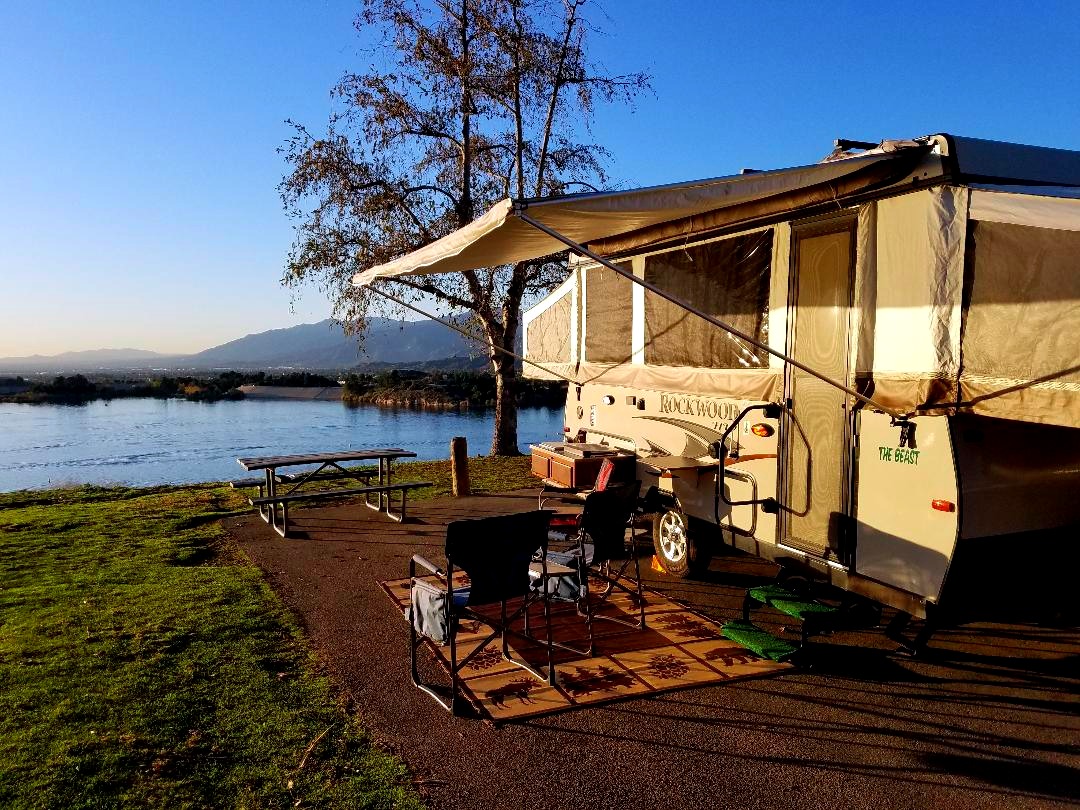

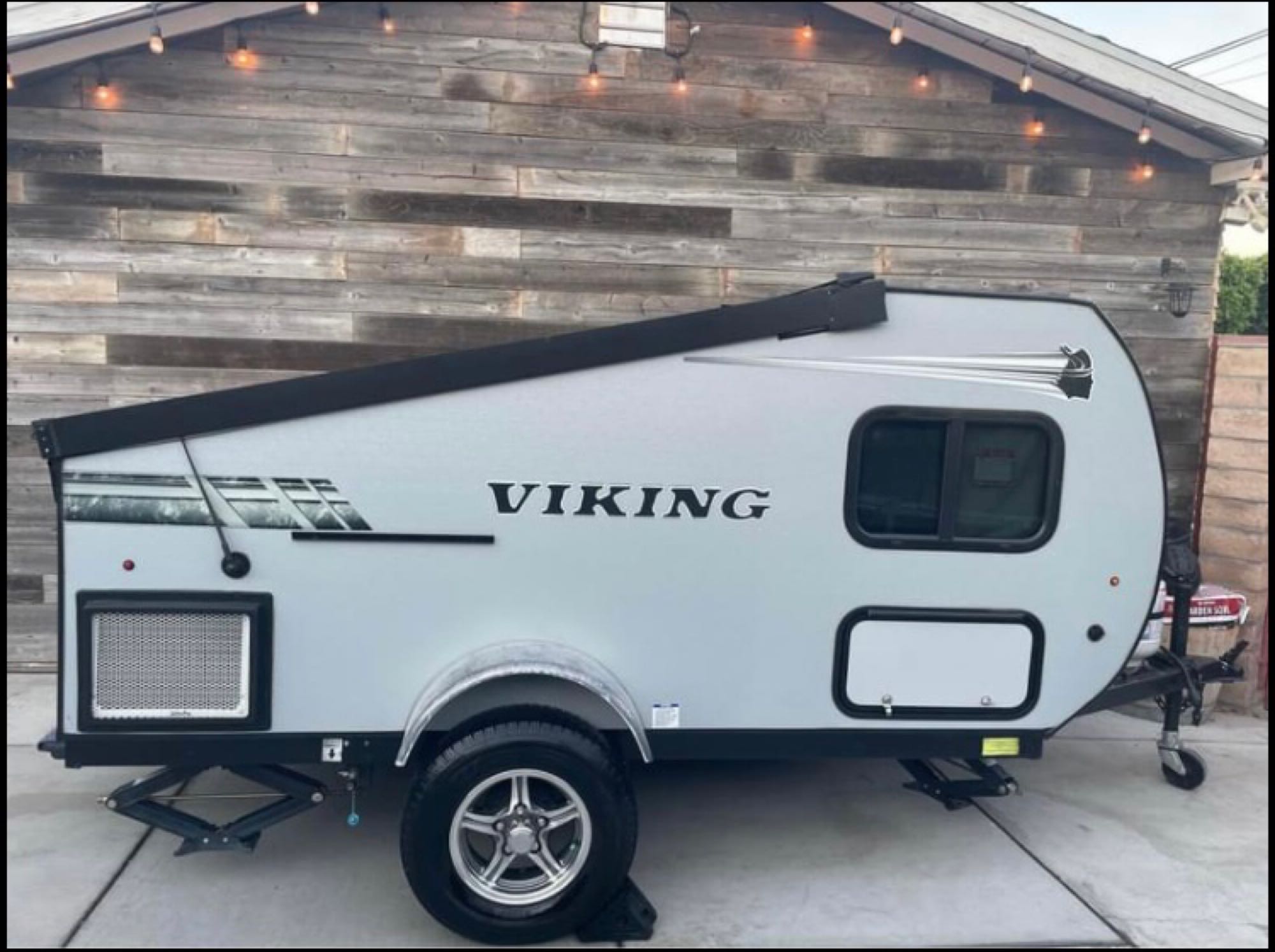
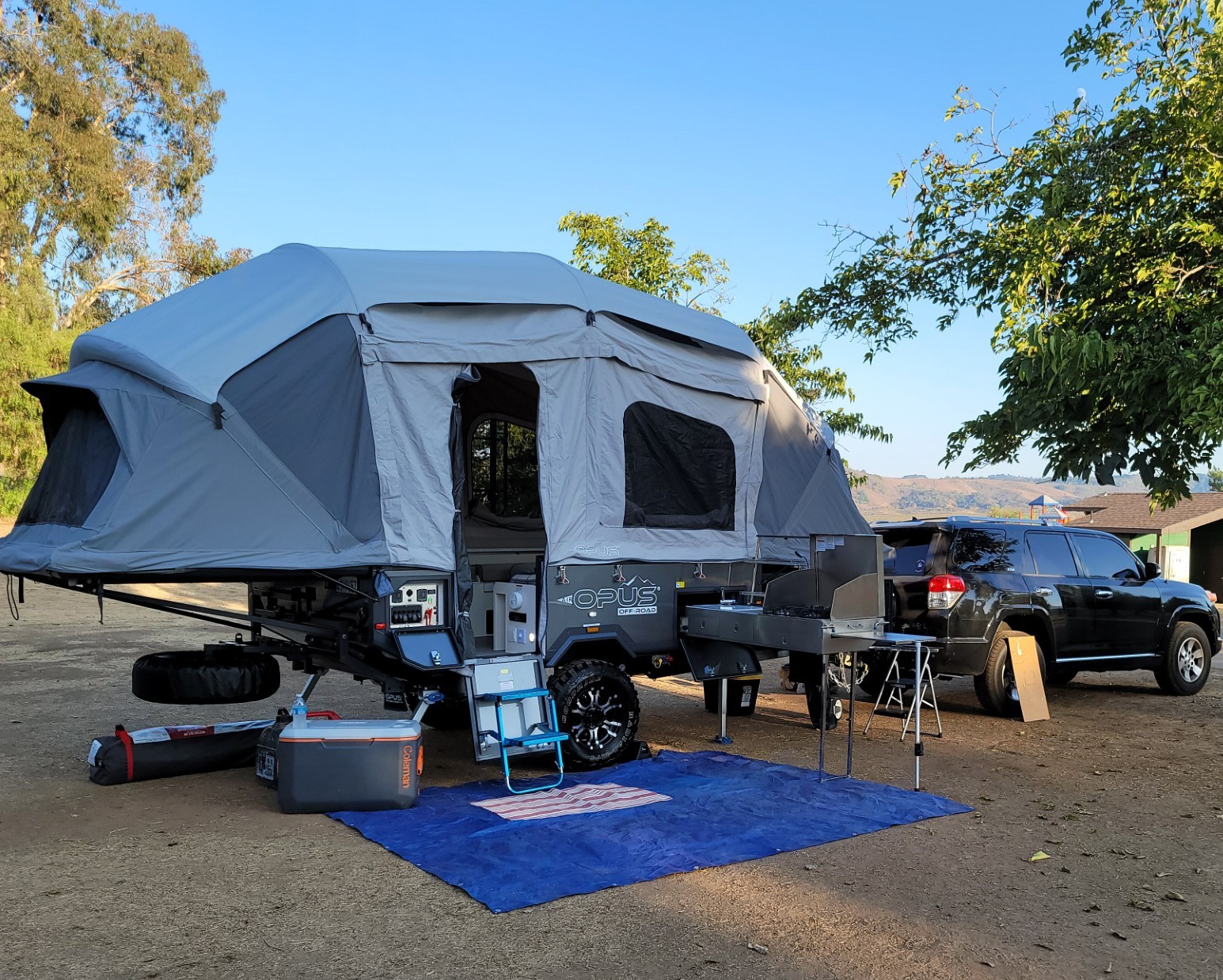
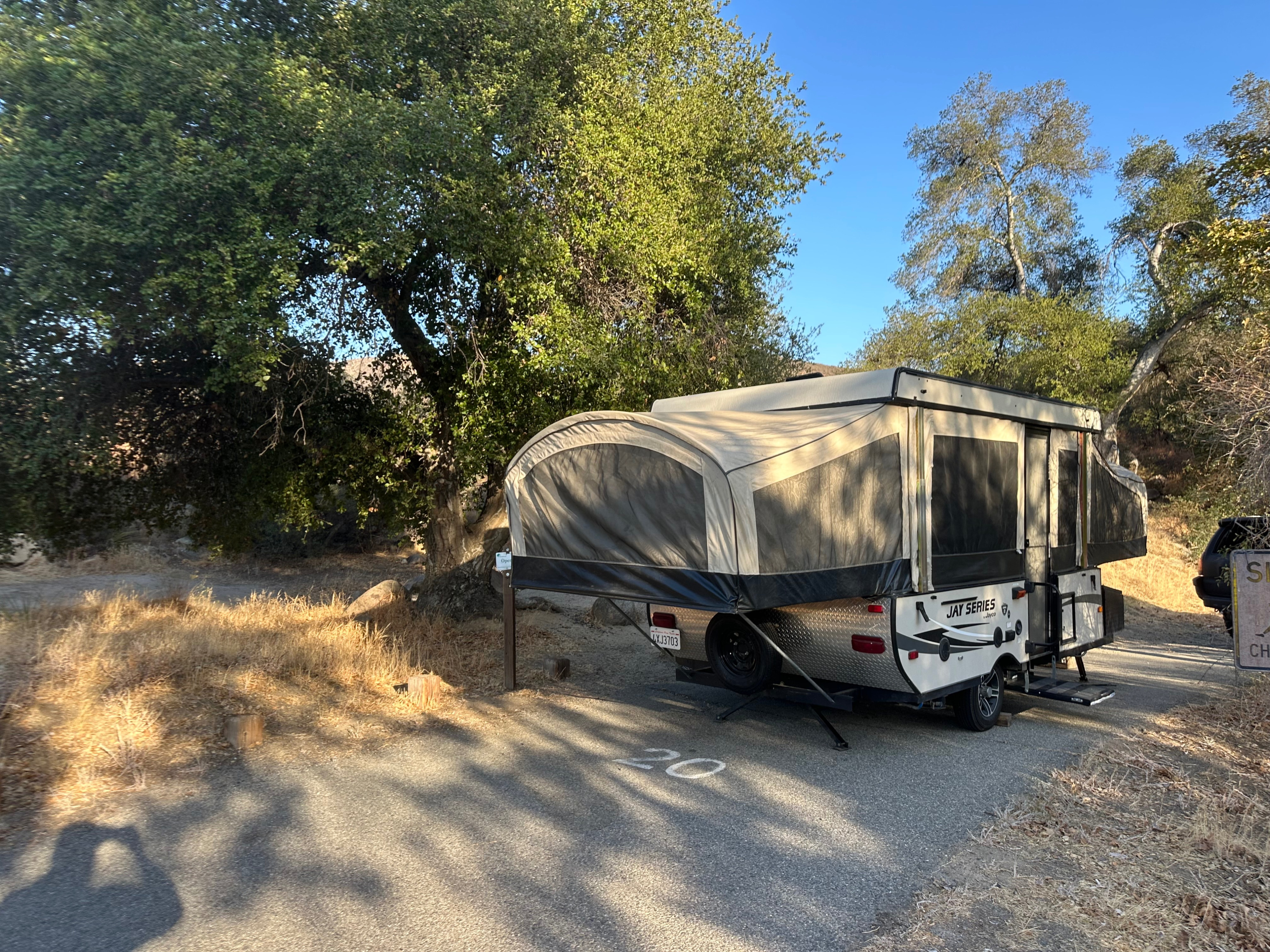
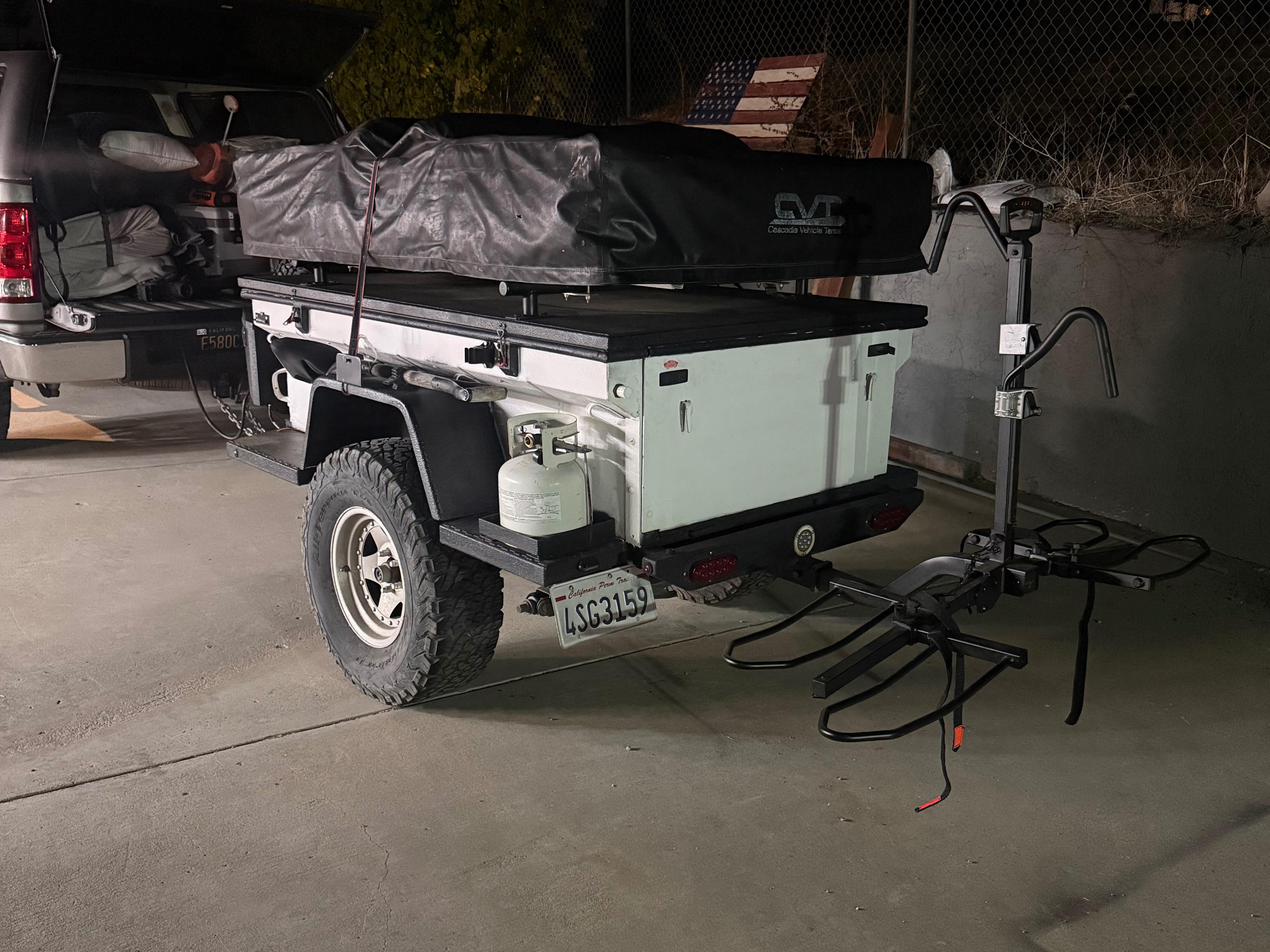
Prices are nightly, before fees. Listings are hosted on Outdoorsy. BookRVs may earn a commission when you book through these links, at no extra cost to you.
Market snapshot · October 2026
Pop-up camper rental market at a glance
What renters can expect from pop-up camper rentals nationwide right now
193+
Pop-up camper rentals nationwide
$97/night
Median nightly rate
75%
Hosts who deliver
4.89★
Avg guest rating
Nightly rates for pop-up camper rentals nationwide run from $52 to $150, with a typical weekly rental around $567.
Pop-up camper rentals sleep 5 people on average, with the largest sleeping up to 8.
75% of hosts offer delivery, so you can have your rental trailer delivered and set up right at your campsite.
Market data fresh as of October 2026, based on 193 active pop-up camper listings on Outdoorsy.
Pop-up Camper Rental: A Lighter Way to Camp With Room for Everyone
A few minutes at a hand crank is all it takes: the roof rises, the bunk ends slide out on their rails, and a trailer low enough to see over in your rearview mirror becomes a canvas-walled cabin with beds off the ground. That transformation is the appeal of a pop-up camper rental. It tows easily, tucks into tight wooded campsites and sleeps a crowd, so families get room for everyone without hauling a heavy hard-sided trailer.
Who a Pop-up Camper Suits, and How It Compares to a Travel Trailer
Pop-ups make the most sense for people who like camping and want it to keep feeling like camping. The screened canvas sides let in the breeze and the sound of the woods, the beds sit off the ground, and the whole thing weighs a fraction of what a hard-sided trailer does.
Families do especially well. Rentals on BookRVs.com sleep about 5 people on average, and the largest sleep up to 8.
The honest comparison is with a standard travel trailer. A travel trailer gives you hard walls, usually a full bathroom, better insulation and almost no setup. A tent camper gives you a lighter tow, easier parking on tight campsites and more sleeping space for the weight. What you give up is quiet, privacy and climate control. Canvas doesn’t block noise or hold heat the way an insulated wall does, and many units have no toilet or only a portable one, so you’ll rely on campground bathhouses.
If it’s just two of you and you’d rather skip setup entirely, look at teardrop trailer rentals. If you want more room and don’t mind a pickup-sized tow, 5th wheel rentals sit at the other end of the scale.
Layouts, Sizes and Common Models
Most tent campers follow the same basic plan. There’s a pull-out bed at each end, a dinette in the middle that converts to another bed, and a compact galley with a sink, a two-burner stove and a small fridge. Larger units may add a sofa, an outdoor stove, a shower, or air conditioning that runs on campground power.
You’ll run into a few familiar brands. Jayco, Forest River’s Flagstaff and Rockwood lines, and older Coleman units that families have kept in good shape all show up. If a Jayco pop-up camper rental is what you want, message the host about the exact model year and floor plan, since layouts vary a lot from year to year.
There’s also a hard-sided cousin. An A-frame pop-up camper rental (Aliner is the best-known maker) swaps canvas for solid panels that fold up into a peak. A-frames set up faster and handle wind and rain better, though they usually sleep fewer people.
Towing It Yourself vs Having the Host Deliver
Light weight is the big draw. Many tent campers weigh roughly 1,500 to 3,000 pounds before gear, which puts them within reach of plenty of midsize SUVs, minivans and pickups. Still, check the tow rating in your owner’s manual instead of guessing, and leave margin for gear, water and passengers.
You’ll also need:
- A hitch receiver.
- A ball that matches the trailer’s coupler.
- Working light wiring.
- A brake controller in your cab, if the trailer has electric brakes (some larger pop-ups do).
Ask the host which ball size and plug type the trailer uses before you leave home. Backing up takes practice too: a short trailer reacts faster than a long one.
Delivery changes the math. About 75% of hosts offer it, so most can bring the camper to your campsite, often set it up, and collect it when you’re done. Delivery is the better call if you don’t have a hitch, plan to stay at one campground, or don’t want to learn setup on your first night. Towing it yourself makes more sense for road trips with several stops, and it saves the delivery fee, which varies by host.
Related Article: Before You Rent an RV: What First-Timers Wish They’d Known
What a Pop-up Camper Rental Costs, and How to Book Well
Pop-ups are among the more affordable towables to rent. The median nightly rate on BookRVs.com is $97, and most rentals fall between $52 and $150 a night, depending on size, season and extras. The median weekly rate is $567.
Those figures cover the trailer itself. Campsite fees, delivery and any cleaning charges are separate where they apply.
If you landed here after searching “pop-up camper rental near me,” the listings above are already sorted by distance from you, drawn from 193+ rentals nationwide. Guests rate their stays 4.89 out of 5 on average, a good sign that hosts look after their campers.
A few habits help before you rent a pop-up camper:
- Ask what’s included. Bedding, cookware, camp chairs and propane vary by host and listing.
- Read the pet and cancellation policies. Each listing sets its own.
- Message the host with questions. Ask for a setup walkthrough, and ask how they want wet canvas handled. Canvas needs to dry out before it’s stored, or it can mildew.
- Consider stationary insurance if the camper will stay parked at one site for the whole trip.
Related Article: What Travel Trailer Renters Get Wrong About RV Insurance
Where Pop-ups Shine
Tent campers are at their best in mild weather and shady campgrounds, where open canvas is a pleasure rather than a problem. Summer in the Upper Midwest is a natural fit. Families tow them to Michigan’s Great Lakes shoreline (the official Michigan tourism site is a good planning start) and to Door County’s state parks in Wisconsin. Browse travel trailer rentals in Michigan or travel trailer rentals in Wisconsin if you’re heading that way.
Wooded mountain campgrounds work well too. The campgrounds around Great Smoky Mountains National Park are a classic pop-up trip from travel trailer rentals in Tennessee. National forest campgrounds, which you can search through the USDA Forest Service, often have shorter sites where a compact trailer fits more easily. Hookups vary widely, so confirm electric and water availability with the campground.
Be realistic about weather. Canvas gets hot in desert summers and cold on frosty nights, so plan spring and fall trips in the South and Southwest and summer trips up north. Some campgrounds in bear country have rules for soft-sided camping, so check with the park before you book.
Related Article: The Top Scenic Destinations for RV Camping Across America
Frequently Asked Questions About Pop-up Camper Rentals
How much does it cost to rent a pop-up camper?
The typical nightly rate on BookRVs.com is $97, and the median weekly rate is $567. Larger units and peak summer dates sit toward the top of the range. Budget separately for campsite fees and any delivery charge.
Is a pop-up better than a regular travel trailer?
It depends on the trip. A pop-up is lighter, easier to tow and usually cheaper, with lots of sleeping space. A travel trailer is quieter, better insulated and more likely to have a full bathroom, which matters in extreme heat, cold or rain.
Can my SUV tow a pop-up?
Often, yes. Many weigh between 1,500 and 3,000 pounds, but always check your tow rating, hitch and wiring, and whether the trailer needs a brake controller. If towing isn’t an option, 75% of hosts offer delivery.
Is a pop-up a good choice for first-time RV renters?
It’s one of the friendlier options. Setup involves cranking the roof, sliding out the beds and leveling the trailer, and most people get it down to 15 to 30 minutes after a try or two. Ask your host for a walkthrough, and pick a campsite with hookups for your first night.
What happens if it rains?
A closed-up tent camper keeps you dry. Keep bedding from pressing against wet canvas, which can wick moisture inside. If you have to pack up while it’s wet, tell the host so the canvas can be dried properly.
Ready to Find Your Pop-up?
The pop-up campers listed above are sorted nearest to you, so your best options are right at the top. Scroll back up, compare a few layouts, and message a host with your questions. Your next campsite could have real beds and a canvas view of the trees.


