What Travel Trailer Renters Get Wrong About RV Insurance
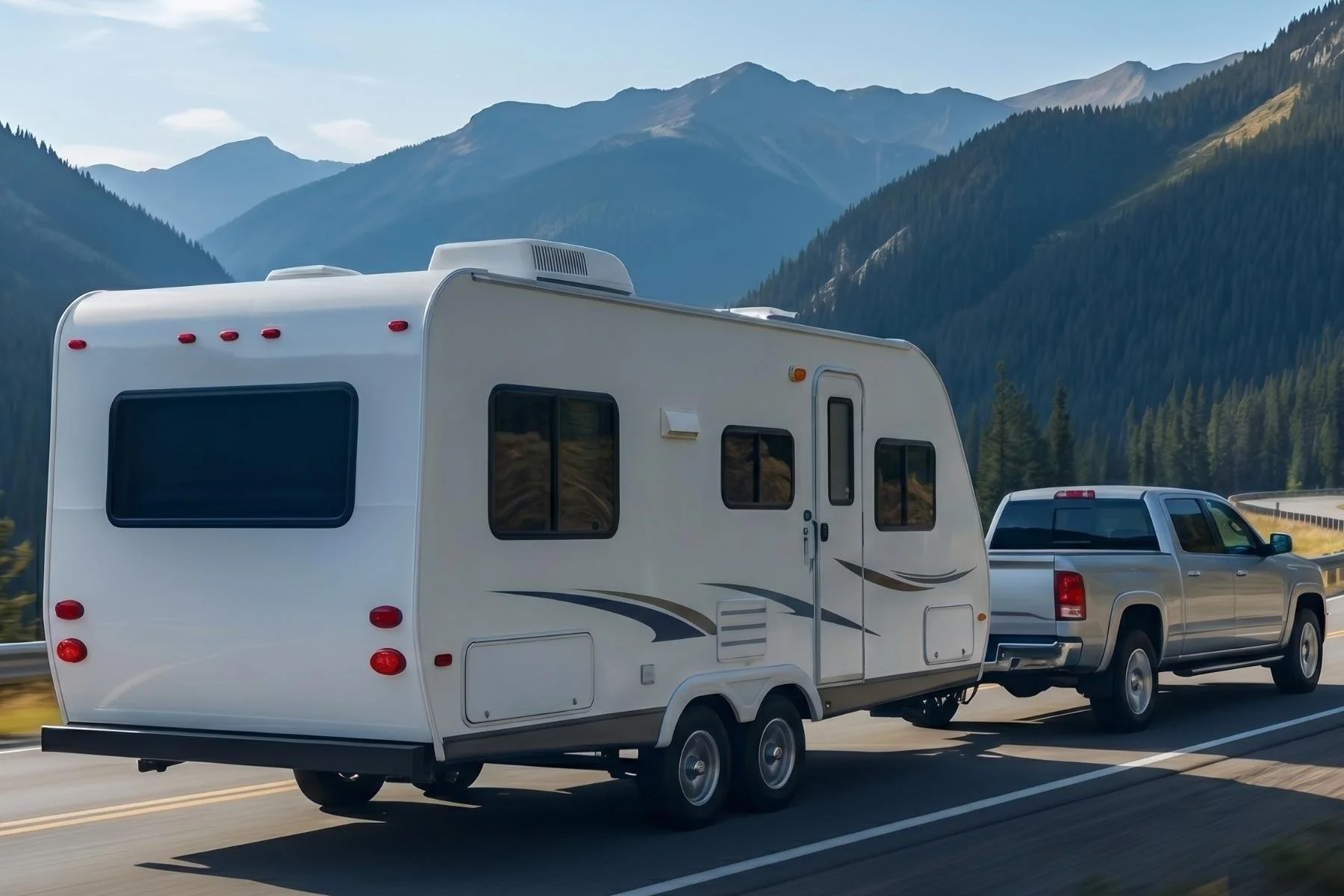
RV insurance for a rented travel trailer works differently than the policy on your car, and assuming your auto coverage simply carries over is the most expensive mistake first-time renters make. The short version: most rentals come with a protection plan you select at checkout, your personal auto policy fills only a narrow gap, and the right add-on coverage can save you from a four-figure surprise.
What RV rental insurance actually is
RV rental insurance is short-term coverage that protects you, the rented trailer, and other drivers during the dates of your trip, separate from the year-round policy an owner carries. When you book a towable RV through a marketplace, the booking platform almost always offers protection packages that activate from the moment you take possession until you return the trailer. This is different from buying a standalone annual policy, and it's why renters rarely need to insure a vehicle they don't own. The coverage is tied to the rental period, not to you as a permanent policyholder.
Does your car insurance cover an RV rental?
In most cases, your personal car insurance does not fully cover a rented travel trailer. Many auto policies extend your liability coverage to a trailer while it's hitched and moving, which helps if you damage someone else's property, but they typically exclude physical damage to the rental trailer itself, its contents, and any incident that happens while it's parked and unhitched. That gap is exactly what rental protection is built to close. Before you rely on your existing policy, call your insurer and ask specifically about towing a non-owned recreational trailer, because the answer varies a lot by carrier and state. The Insurance Information Institute is a useful neutral source for understanding how auto and recreational coverage interact.
What the protection covers, and what it doesn't
A standard rental protection plan covers collision, theft, vandalism, weather damage, and liability, and sometimes bundles 24/7 roadside assistance for towing, flat tires, lockouts, and jump-starts. What it generally does not cover is mechanical failure, normal wear and tear, interior damage unless you buy a higher tier, and any damage caused by prohibited use like off-road driving. Rental coverage also tends to work on an excess basis, meaning your personal auto insurance pays first and the rental plan kicks in after. For renters, this plan is your main line of protection, so a well-chosen package usually means you don't need to buy any separate standalone policy for the trip. One detail worth knowing: if you plan to keep the trailer parked at one site the whole trip, many hosts offer a lower-cost stationary insurance option designed for trailers that won't be towed, which can trim your total. Our guide to choosing the right travel trailer rental walks through the other questions worth asking before you commit.
How much does RV rental insurance cost?
Protection packages typically run between $15 and $50 per day, depending on the trailer's value and the tier you choose. Deductibles usually fall in the $1,000 to $4,000 range, while liability limits often reach up to $1 million and comprehensive and collision protection can extend to roughly $300,000. On top of the protection plan, budget for a refundable security deposit, which most hosts set somewhere between $500 and $1,000. For a week-long trip, that means insurance alone might add $100 to $350 to your total, real money that's still far cheaper than paying out of pocket for a cracked roof or a slide-out repair.
Roamly: the coverage we recommend for owners
So you rented a travel trailer, loved it, and now you're thinking about buying one of your own. Once you make that jump, you need a real year-round policy, and Roamly is the best option we found for ownership. You can get a quote from Roamly in a few minutes. Roamly specializes in RVs and covers both towable and drivable units, with policies backed by established carriers like Allstate, Geico, and Progressive and a claims team based in the United States. Their plans include roadside assistance, and they advertise savings of up to 35% by cutting coverage you don't actually need for how you use your rig.
The bigger reason we point new owners there: if you ever want to rent your trailer out to help cover the payment, most traditional insurers will drop you the moment they learn it's been rented, leaving you exposed. Roamly is one of the few providers built to keep you covered even when your trailer earns income, which makes it a smart starting point whether you're insuring a brand-new purchase or planning to list it down the road. If that sounds like your next chapter, run a Roamly quote before you sign anything.
What to confirm with your host before you book
Coverage isn't the only thing that varies by listing, so message the host directly before you pay. Ask what the protection options are, what the deposit is, and whether the unit comes with bedding, kitchen gear, and outdoor furniture, since those inclusions change from one rental to the next and should never be assumed. Also ask about delivery: many hosts will tow the trailer to your campsite and set it up, which removes the towing requirement entirely if you don't have a capable truck or SUV. That flexibility opens up trips you might otherwise skip, from travel trailer rentals in Colorado near Rocky Mountain National Park to travel trailer rentals in Washington within reach of Mount Rainier, or a long weekend with a Reno rental trailer bound for the Sierra Nevada. Once your coverage is sorted, our picks for the best RV road trip states and our RV packing checklist will help you map the rest. For weight and towing-class basics, the RV Industry Association is a solid reference.
Understanding RV insurance before you book is the difference between a relaxed trip and a stressful one, and it takes about five minutes to get right. Browse travel trailer rentals on BookRVs.com, filter by your location, dates, and trailer type, and message hosts directly about protection options and delivery so you roll out fully covered.
Affiliate disclaimer: This article contains affiliate links. If you purchase a policy or service through one of our links, BookRVs.com may earn a commission at no additional cost to you. We only recommend products and providers we believe offer genuine value to our readers.